Table of Contents
Liquefied Natural Gas (LNG) is a rapidly growing energy source that has the potential to play a major role in meeting the world's energy needs. But what exactly is LNG and how does it differ from natural gas? How is it produced, transported, and used? And what are the benefits and challenges associated with this energy source?
In this article, we will explore the world of LNG, covering its key features, uses, and benefits, as well as the challenges it faces. From major producing countries to the role of LNG companies, and from its clean-burning properties to the technical and environmental considerations associated with its use, this article provides a comprehensive overview of this important energy source.
Introduction to Liquefied Natural Gas (LNG)
Definition of LNG
Liquefied Natural Gas (LNG) is a clean and efficient form of natural gas that has been cooled to minus 260°F, turning it into a liquid form that is easy to store and transport.
How LNG is Made
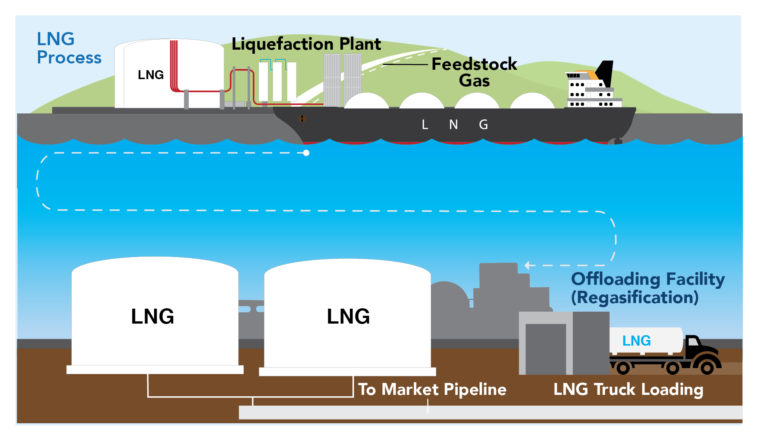
LNG is made by cooling natural gas to a very low temperature through a process called liquefaction. This reduces the volume of natural gas by a factor of 600 and makes it easier to store and transport.
Benefits of LNG as an Energy Source
LNG has several benefits as an energy source. It is clean, emitting lower levels of greenhouse gases and other pollutants compared to traditional fossil fuels. It is also efficient and can be stored and transported easily, making it a reliable energy source. Additionally, the increasing demand for LNG has led to its widespread production and distribution, making it a readily available energy source for many countries.
Differences Between LNG and Natural Gas
Physical state
The main difference between LNG and natural gas is the physical state in which they exist. Natural gas is in a gaseous state, while LNG is in a liquid state after undergoing the process of liquefaction.
Applications
LNG and natural gas have different applications, although they are both primarily used as a fuel source. Natural gas is mainly used for heating, power generation and as an industrial feedstock. On the other hand, LNG is primarily used for transportation, in addition to power generation, heating, and as an industrial feedstock. The liquid form of LNG makes it easier to transport over long distances, making it a more versatile energy source compared to natural gas.
Uses of LNG
Power Generation
LNG is commonly used in power generation as it is a cleaner and more efficient alternative to traditional fossil fuels. It can be used to fuel power plants, generating electricity for communities and businesses.
Heating
LNG is also used as a heating fuel, particularly in areas where natural gas pipelines are not available. It is a clean and efficient alternative to traditional heating fuels such as oil and propane.
Transportation
LNG is increasingly being used as a transportation fuel, particularly in the shipping industry. Its low emissions and high energy density make it a suitable fuel for large ships and other heavy-duty vehicles. Additionally, the liquid form of LNG makes it easy to store and transport, making it an ideal fuel for the shipping industry.
Industrial Feedstock
LNG is also used as an industrial feedstock, particularly in the petrochemical and fertilizer industries. Its clean-burning properties make it a suitable feedstock for producing chemicals, plastics and other products. Additionally, the liquefaction process can also be used to produce industrial gases such as nitrogen, oxygen and hydrogen.
Production of LNG
Major Producing Countries
LNG is produced in many countries around the world, with the largest producers being Australia, Qatar, and the United States. Other significant producers include Russia, Malaysia, and Indonesia. The production of LNG has increased in recent years, with new liquefaction plants being built in various countries to meet the growing demand for this clean and efficient energy source.
Role of LNG Companies
LNG companies play a crucial role in the production and distribution of LNG. These companies are responsible for exploring, extracting, and processing natural gas, as well as building and operating liquefaction plants. They also manage the transportation and storage of LNG, and work to establish new markets for this versatile energy source. Companies such as Commonwealth LNG and Oman LNG are leading the way in the production and distribution of LNG, and their efforts are helping to make this clean and efficient energy source more widely available to communities and businesses around the world.
Environmental Impact of LNG
Comparison with Gasoline
LNG is considered a cleaner energy source compared to gasoline. It emits significantly lower levels of greenhouse gases, including carbon dioxide and methane, when burned for energy. This makes it a more environmentally friendly alternative to gasoline, which is a major contributor to air pollution and climate change.
Cleaner than Oil?
In comparison to oil, LNG is also considered a cleaner energy source. Oil is a fossil fuel that emits large amounts of greenhouse gases and other pollutants when burned. In contrast, LNG produces fewer emissions and is a more efficient energy source. Additionally, the process of liquefaction and transportation of LNG can also result in lower emissions compared to oil.
However, it is important to note that the environmental impact of LNG is highly dependent on various factors, including the source of the natural gas, the efficiency of the liquefaction process, and the methods used for transportation and storage. As such, it is important to continue to monitor and assess the environmental impact of LNG to ensure that it remains a clean and sustainable energy source.
Transportation of LNG
LNG Shipping
LNG shipping is a crucial component of the LNG industry. LNG is transported from production facilities to markets around the world using specialized LNG carriers. These carriers are designed to carry large volumes of liquefied natural gas, and they follow strict safety protocols to ensure the safe and efficient transportation of this energy source.
Floating LNG
Floating LNG is a relatively new technology that is changing the way LNG is transported and processed. Floating LNG facilities, also known as FLNGs, are vessels that are designed to liquefy, store, and offload natural gas at sea. This allows for the transportation of LNG to markets that would otherwise be difficult to reach, and it is expected to play an increasingly important role in the growth of the LNG industry.
LNG Regasification
LNG regasification is the process of converting liquefied natural gas back into its gaseous form for use as an energy source. This is typically done at regasification terminals, which receive LNG from shipping carriers and convert it back into its gaseous form. The regasified natural gas can then be distributed to customers through pipelines for use in various applications, including power generation, heating, and transportation.
Major Players in the LNG Industry
Commonwealth LNG
Commonwealth LNG is a proposed liquefied natural gas export facility located in Louisiana, USA. The project aims to produce and export LNG to international markets, and it is expected to play a significant role in the growth of the LNG industry in the United States.
Driftwood LNG Pipeline
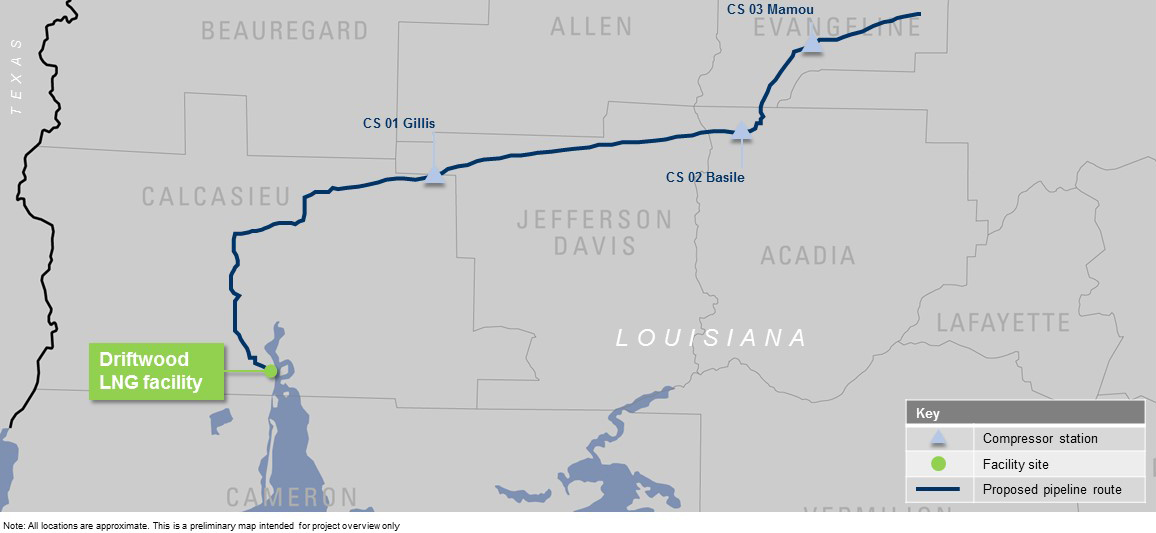
The Driftwood LNG Pipeline is a proposed natural gas pipeline that will transport natural gas from the production fields in Texas to a liquefaction facility in Louisiana. The facility will be capable of producing over 27 million metric tons of LNG per year, making it one of the largest LNG facilities in the world. The Driftwood Pipeline is expected to play a critical role in the growth of the LNG industry in the United States.
Oman LNG
The Oman LNG plant was established in 1994 by a joint venture company in the Sultanate of Oman that produces and exports LNG. The company operates three LNG trains with a combined capacity of over 10 million metric tons per year, making it one of the largest LNG producers in the world.
Challenges and Limitations of LNG
Technical Challenges
The production, transportation, and use of LNG is not without its challenges. One of the main technical challenges is the need to maintain the temperature of LNG at a low level to prevent it from evaporating. This requires the use of specialized equipment and infrastructure, which can be expensive and difficult to maintain.
Additionally, the transportation of LNG requires the use of specialized ships, which are expensive to build and maintain. This makes the transportation of LNG more expensive than other energy sources, which can limit its viability in some markets.
Environmental Concerns
The LNG production, transportation, and use of LNG can have negative impacts on the environment. For example, the production of LNG requires large amounts of energy, which can result in greenhouse gas emissions. Additionally, the transportation of LNG by sea can pose risks to marine ecosystems, and the release of LNG into the environment can have harmful effects on air quality.
Despite these challenges and limitations, LNG is increasingly being used as an energy source, particularly in markets where other energy sources are not readily available. However, it is important to consider the environmental impacts of LNG, and to seek ways to mitigate these impacts to ensure a sustainable future for the industry.
Conclusion
Recap of Key Points
Liquefied Natural Gas (LNG) is a form of natural gas that has been cooled to a liquid state for ease of transportation and storage. LNG is used for a variety of purposes, including power generation, heating, transportation, and as an industrial feedstock. Major producing countries include Australia, Qatar, and the United States, and the LNG industry is dominated by a few large companies.
While LNG has several advantages as an energy source, including its clean burning properties and versatility, it is not without its challenges. Technical challenges associated with the production, transportation, and use of LNG, as well as environmental concerns, must be carefully considered to ensure a sustainable future for the industry.
Future Outlook for LNG
Despite its challenges, the demand for LNG is expected to grow in the coming years. This is due to increasing demand for clean energy sources, as well as the growth of markets in Asia and other regions.
In the future, it is likely that technological advancements will continue to improve the production and transportation of LNG, making it an even more viable energy source. Additionally, efforts to mitigate the environmental impacts of LNG, such as through the development of more sustainable transportation methods, will help to ensure a bright future for the industry.
Read Other Articles:
How To Convert Your Propane Grill To A Natural Gas Grill
| 1.24.23 | Converting a propane grill to a natural gas grill can be a great way to ensure a consistent fuel source for your outdoor cooking needs and can be a cost-effective and convenient way to fuel your grill. However, it is important to note that not all grills can be converted...
The Best Natural Gas Grills For Any Budget In 2022
| 5.19.22 | A Natural Gas grill is a great option for any grill lover. With the different options in style, cooking space, accessories and additional features, you can create the perfect outdoor kitchen space for you and your family or for hosting that perfect summer party. Installing a...
What You Need To Know About Carbon Monoxide
| 4.22.22 | Understanding what carbon monoxide is, how it is produced and what symptoms come with carbon monoxide poisoning could be the difference between life and death for you and your family. Carbon Monoxide is a type of gas that you cannot see, smell, taste or hear when it is present.
How To Convert Your Propane Furnace To Natural Gas
| 4.18.22 | Converting your propane furnace to natural gas is one way to start immediately saving money annually. This may seem difficult to some homeowners but if you are looking for ways to save even more money, this article will help guide you through the process.
Natural Gas Stoves: What You Need To Know
| 1.26.23 | There has been a lot of debate recently about the safety of natural gas stoves and the potential health risks associated when cooking with these gas appliances inside of residential homes. Natural gas stoves are a popular choice for many homeowners, particularly in areas where natural gas is....